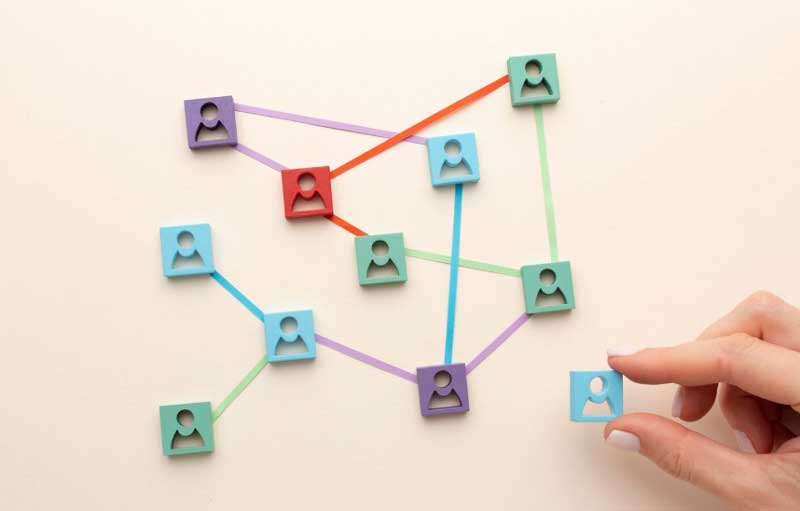
Understanding your target audience in 2026 is crucial. It forms the bedrock of every successful digital marketing strategy. Without this insight, your efforts may miss the mark entirely. This guide will help you navigate this vital process.
Every business aims to connect with the right people. Knowing who those people are makes all the difference. It impacts your messaging, product development, and overall market positioning.
In 2026, audience analysis is more dynamic than ever. New tools and evolving consumer behaviors shape the landscape. Staying updated is not just an advantage; it's a necessity for survival.
A deep dive into your audience reveals preferences and pain points. It uncovers motivations and purchasing behaviors. This data empowers you to craft highly effective campaigns.
Ignoring this step can lead to wasted resources. Your marketing budget should target those most likely to convert. Precision is key in today's competitive environment.
Here at MANA Studio, we believe in data-driven approaches. Our expertise in digital marketing strategy 2026 ensures your success. We help you connect with your ideal customers effectively.
Why Target Audience Analysis Matters for Your Business
Analyzing your target audience is non-negotiable. It provides a clear roadmap for your marketing efforts. You learn who to speak to and how to speak to them.
Enhanced Marketing Effectiveness
Knowing your audience refines your messaging. It ensures your content resonates deeply. This leads to higher engagement and better conversion rates. Campaigns become more impactful.
Improved Product Development
Audience insights can guide product improvements. You can tailor offerings to meet specific needs. This increases product appeal and customer satisfaction. Innovation becomes more targeted.
Optimized Resource Allocation
Allocate your marketing budget wisely. Focus on channels and strategies that reach your target. This minimizes waste and maximizes ROI. Every dollar works harder for you.
Stronger Brand Loyalty
When you understand your customers, you build trust. Personalization fosters deeper connections. This cultivates lasting relationships and brand loyalty. Customers feel truly valued.
Key Steps to Analyze Your Target Audience in 2026
This process involves several critical stages. Each step builds upon the last, providing comprehensive insights. Let's explore them in detail.
1. Define Your Current Customers
Start with who you already serve. Analyze existing customer data carefully. Look at demographics, purchase history, and engagement patterns. What common traits emerge?
Demographics: Age, gender, location, income, and education.
Psychographics: Interests, values, lifestyle, personality traits.
Behavioral Data: How they interact with your brand.
2. Research Market Trends and Competitors
The market is constantly shifting. Stay informed about industry trends. What are your competitors doing? How are they positioning themselves? Learn from their successes and failures.
Tools like Google Trends can offer valuable insights. Competitor analysis reveals gaps and opportunities. This helps you refine your unique selling proposition.
3. Conduct Surveys and Interviews
Direct feedback is invaluable. Create surveys to gather quantitative data. Conduct interviews for rich qualitative insights. Ask open-ended questions to uncover deeper motivations.
Platforms like SurveyMonkey or Typeform simplify this. Personal interviews build rapport and uncover nuances. Understand their challenges and aspirations.
4. Utilize Analytics Tools
Web analytics provide a treasure trove of data. Google Analytics shows user behavior on your site. Social media analytics reveal engagement metrics. Use these tools to track user journeys.
Understand which content performs best. Identify popular pages and drop-off points. This data helps optimize your online presence. It reveals real-time customer interactions.
5. Create Customer Personas
Personas are fictional representations of your ideal customers. Give them names, jobs, and personalities. Detail their goals, pain points, and preferred communication channels.
This step makes your audience feel real. It helps your team empathize with customers. Developing 3-5 distinct personas is a good starting point.
6. Monitor and Adapt Continuously
Audience analysis is an ongoing process. Consumer behavior evolves rapidly. Regularly review your data and adjust your strategies. What worked last year might not work today.
Stay agile and responsive to changes. This continuous loop ensures your relevance. It keeps your marketing efforts sharp and effective.
Valuable Insights and Statistics for Your 2026 Strategy
The digital landscape is dynamic. Here are some key statistics to guide your target audience analysis for 2026.
Mobile Usage: Global mobile internet traffic reached approximately 62% in early 2024. This trend continues to rise significantly. (Source: Consumer Affairs)
Personalization: A 2018 Epsilon study found that 80% of consumers are more likely to make a purchase when brands offer personalized experiences. This sentiment remains strong today.
Video Content: Cisco projected that video content would account for 82% of all internet traffic by 2022. Video's dominance in online consumption remains a major factor.
Social Commerce: Accenture projected the global social commerce market to reach $1.2 trillion by 2025. This highlights the growing importance of selling directly on social platforms.
Data Privacy: Salesforce research indicates that approximately three-quarters of consumers show greater loyalty to companies providing strong data security. Trust in data handling is critical.
These trends highlight the importance of mobile-first strategies. Personalization is no longer optional. Video content remains paramount. Ethical data handling builds trust for any digital marketing strategy in 2026.
For context, mobile penetration in Indonesia is exceptionally high. This means a significant portion of your local audience accesses content and services through smartphones. Tailoring content for smaller screens and faster load times is not just good practice; it's essential for local-market success.
How MANA Studio Can Elevate Your Digital Marketing Strategy 2026
At MANA Studio, we specialize in comprehensive digital solutions. Our team uses cutting-edge techniques to analyze your audience. We craft bespoke strategies that deliver results. Our approach is data-driven and client-focused.
We help you identify your ideal customer. Then, we build a powerful strategy around them. From SEO to social media, we cover all bases. Our goal is your sustained growth and success.
Explore our services and past successes on the MANA Studio service page. We are ready to transform your online presence. Let's discuss your unique needs.
Ready to get started? Contact MANA Studio today for a consultation. Our experts are eager to help you achieve your goals.
FAQ: Analyzing Your Target Audience
Q: How often should I analyze my target audience?
A: It's best to review your target audience analysis annually. Significant market shifts might require more frequent checks. Consumer behaviors change rapidly.
Q: What is the difference between target audience and customer persona?
A: A target audience is a broad group of people. A customer persona is a detailed, semi-fictional representation of an ideal customer. Personas bring your audience to life.
Q: Can I have multiple target audiences?
A: Yes, many businesses serve multiple distinct segments. Each segment might require a unique marketing approach. Tailor your strategies accordingly.
Q: Is social media listening part of audience analysis?
A: Absolutely. Social media listening provides real-time insights. It reveals public sentiment and emerging trends. This data is invaluable for understanding your audience.
Q: What if my target audience is very niche?
A: A niche audience often leads to higher conversion rates. Focus your efforts precisely. This allows for highly targeted and effective campaigns. MANA Studio offers specialized strategies for