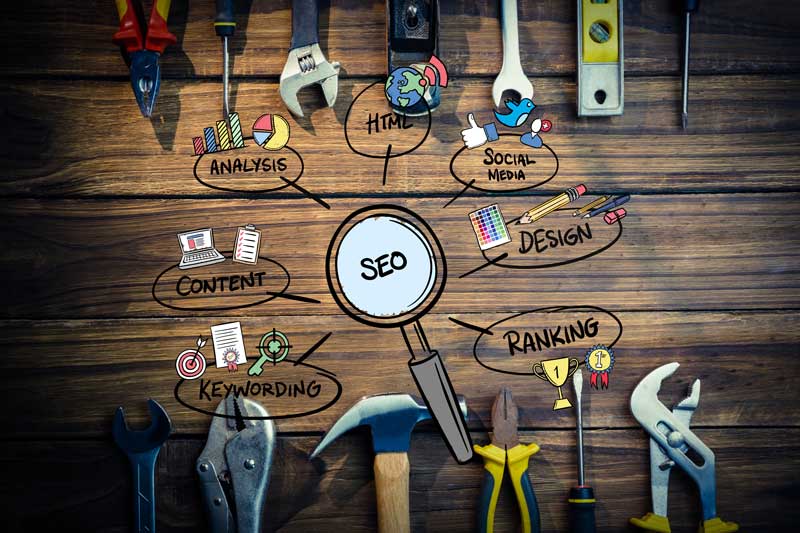
The digital landscape changes with every single heartbeat. Businesses today must fight hard for user attention.
Search engines serve as the primary gateway to the online world. Ranking high determines your ultimate success and revenue. You need a reliable method to win clicks. SEO provides the path to sustainable digital growth.
In the modern era, visibility is currency. If customers cannot find you, you do not exist. This guide explores the mechanics of search engines. We will uncover how to leverage organic search. This is essential for building a lasting brand. Let us dive into the details of optimization.
Defining the Core Concept
SEO stands for Search Engine Optimisation. It is the art of pleasing search engine algorithms. It is also the science of understanding human behaviour. The goal is to increase the quality of traffic. We also want to increase traffic volume. This happens through organic search results.
Organic results are the unpaid listings on a page. You cannot pay Google to rank higher here. You must earn your spot through merit. This requires providing the best answer to a query. It builds trust with your potential audience. Trust is the foundation of SEO digital marketing today.
How Search Engines Actually Work
Search engines like Google are incredibly complex machines. They use automated software to organize the internet. These software programs are often called crawlers. Some people refer to them as spiders or bots. They follow a specific three-step process. Understanding this process is key to success.
1. The Crawling Phase
Crawling is the discovery process. Search engines send out their robot teams. These robots look for new and updated content. This content can be web pages or images. It also includes videos and PDF files. They find this content by following links. If your site has no links, it is invisible.
2. The Indexing Phase
Once content is found, it must be stored. The search engine processes the information it crawled. It analyses the text and the code. This data is stored in a massive index. Think of it as a giant library. If your page is in the index, it can appear. If not, you will never show up.
3. The Ranking Phase
This is the final and most crucial step. A user types a question into the search bar. The engine scours its index for the best answer. It ranks content based on relevance. It also considers the authority of the source. The goal is to solve the user's problem fast.
The Three Pillars of Success
SEO is not just one single task. It is a collection of many different strategies. We categorize these into three main pillars. You need all three to compete effectively. Ignoring one pillar can weaken your entire plan.
Pillar 1: Technical SEO
This focuses on the backend of your website. It ensures search engines can crawl your site easily. Site speed is a massive factor here. Mobile-friendliness is also a strict requirement now. Security through HTTPS is non-negotiable. A clean site structure helps bots navigate. If the tech fails, the content fails.
Pillar 2: On-Page Optimisation
This relates to the content on your pages. It involves using the right keywords naturally. You must structure your headers correctly. Meta tags and descriptions play a significant role. Images need descriptive text for accessibility. The aim is to help Google understand the context. Context is king in modern search.
Pillar 3: Off-Page Authority
This happens away from your actual website. It is mostly about building backlinks. A backlink is a vote of confidence. It comes from another reputable website. High-quality links tell Google you are trustworthy. Social media signals also play a minor role. Brand mentions also contribute to your authority.
Why Statistics Prove SEO Works
The Data Speaks Volumes:
Google owns over 90% of the global search market.
Organic search drives 53% of all website traffic.
The first result gets roughly 30% of all clicks.
Less than 1% of users click on page two.
SEO leads have a 14.6% close rate.
These numbers highlight an apparent reality. Ignoring search is a massive business risk. Paid ads stop working when you stop paying. SEO builds an asset that lasts for years. It offers a superior return on investment over time.
The Evolution of Keywords
In the past, people stuffed keywords everywhere. This made the content hard to read. Google now penalizes this bad practice. Today, we focus on "User Intent."
Intent is the "why" behind the search. Does the user want to buy something? Are they looking for a definition? Do they want to find a specific website? Your content must match this particular intent. If it does not, you will not rank. We now write for humans first, engines second.
The Role of Content Strategy
Content is the vehicle for your keywords. You cannot rank without words on a page. High-quality content keeps users on your site longer. This sends positive signals to the search engine. It reduces your "bounce rate."
Content must be unique and valuable. It should answer questions thoroughly. Google often ignores thin content. Regular updates keep your site fresh. A blog is an excellent tool for this. It allows you to target many different keywords.
Local SEO: A Vital Component
Small businesses must focus on Local SEO. This optimizes your site for a specific area. It helps you appear in "Near Me" searches. The Google Business Profile is critical here. It displays your address and phone number.
Reviews are a major ranking factor locally. Positive reviews build immediate trust. Consistency in your contact details is mandatory. Your name, address, and phone must match everywhere. This is often called NAP consistency.
Choosing the Right Partner
SEO is complex and time-consuming. It requires technical skills and creative writing. It also demands constant monitoring of data. Many business owners do not have this time. This is why they hire agencies.
However, finding the right agency is difficult. Many promise instant results that are impossible. You need a partner who values transparency. You need the best SEO digital marketing experts.
What MANA Studio Offers
We understand the nuances of the digital world. We do not use cookie-cutter strategies. Every business has unique needs and goals. MANA Studio offers a tailored approach to growth.
Our team dives deep into your industry. We analyze your competitors to find gaps. We build a rock-solid technical foundation. Then, we craft content that truly converts. We believe in data-driven decisions.
We combine creativity with technical precision. This ensures your brand looks good and ranks high. We report on metrics that actually matter. We focus on revenue, not just vanity metrics.
Ready to Transform Your Digital Presence?
Don't let your competitors take your market share. Start your journey to the top today.
Explore our portfolio to see our success stories:
Discuss your custom strategy:
Common SEO Mistakes to Avoid
Many beginners fall into specific traps. Buying links is a dangerous tactic. It can lead to severe penalties. Ignoring mobile users is another fatal error. Most searches happen on phones today.
Another mistake is expecting overnight success. SEO is a marathon, not a sprint. It takes months to see significant movement. Duplicate content can also hurt your rankings. Always write original copy for every page. Finally, never neglect your analytics data.
The Future of Search
The industry is moving toward Artificial Intelligence. Google is using AI to better understand context. Voice search is also growing rapidly. People speak differently from how they type. Your content must sound natural and conversational.
Video content is appearing more often in search results. YouTube is the second-largest search engine. Visual search is also gaining traction. Optimizing images is more important than ever. The core principle remains: provide value.
Frequently Asked Questions (FAQ)
1. How long does it take to see results?
SEO is a long-term investment. Typically, it takes 3 to 6 months to see traction. Competitive industries may take up to a year. Patience is required for sustainable growth.
2. Is paid advertising better than SEO?
Paid ads provide instant traffic. However, that traffic stops when you stop paying. SEO generates organic traffic for free. The best strategy often combines both methods.
4. Why did my rankings drop?
Rankings fluctuate for many reasons. Competitors may have improved their content. Google might have updated its algorithm. Technical errors on your site could be to blame.
5. How often does Google update its algorithm?
Google updates its algorithm thousands of times a year. Most updates are minimal. Major core updates occur a few times a year. We monitor these changes constantly.
6. What is the most critical ranking factor?
There is no single "most important" factor. However, high-quality content is essential. Backlinks and mobile usability are also critical top-tier factors.