The digital landscape moves incredibly fast today. Consumer habits evolve almost every single day now. Your brand needs a highly strategic digital plan. Static websites are simply not enough anymore. Modern success requires a very deep human connection. Welcome to your official 2026 growth roadmap.
Understanding the digital customer journey map plan 2026 is vital. Technology now dictates how people discover new brands. A journey map visualizes every single user touchpoint. It bridges the gap between brands and users. We focus on creating seamless and intuitive digital experiences. This guide offers a professional agency perspective. Let us dive into the modern framework for success.
Understanding the Modern Digital Customer Journey
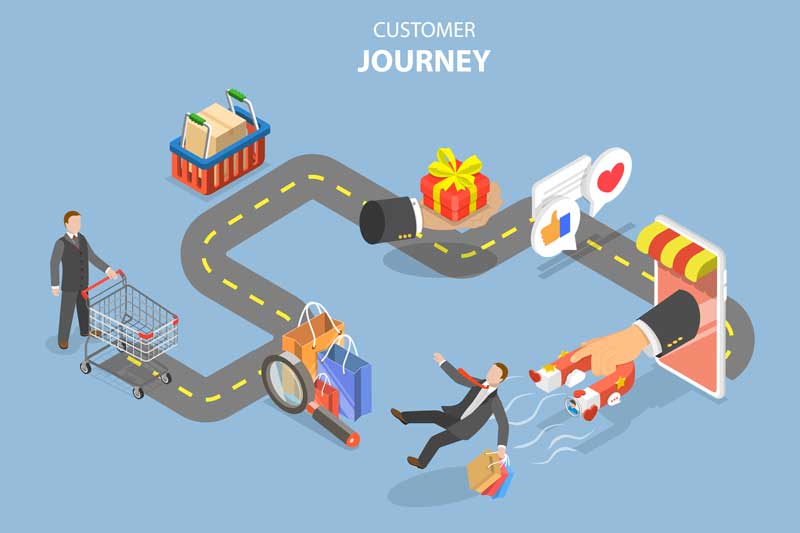
A digital journey tracks every online interaction. It starts when a user first discovers your brand. It continues until they complete a successful purchase. The journey does not actually end at checkout. It includes post-purchase support and long-term loyalty. Every single click tells a unique user story. Every bounce reveals a hidden point of friction.
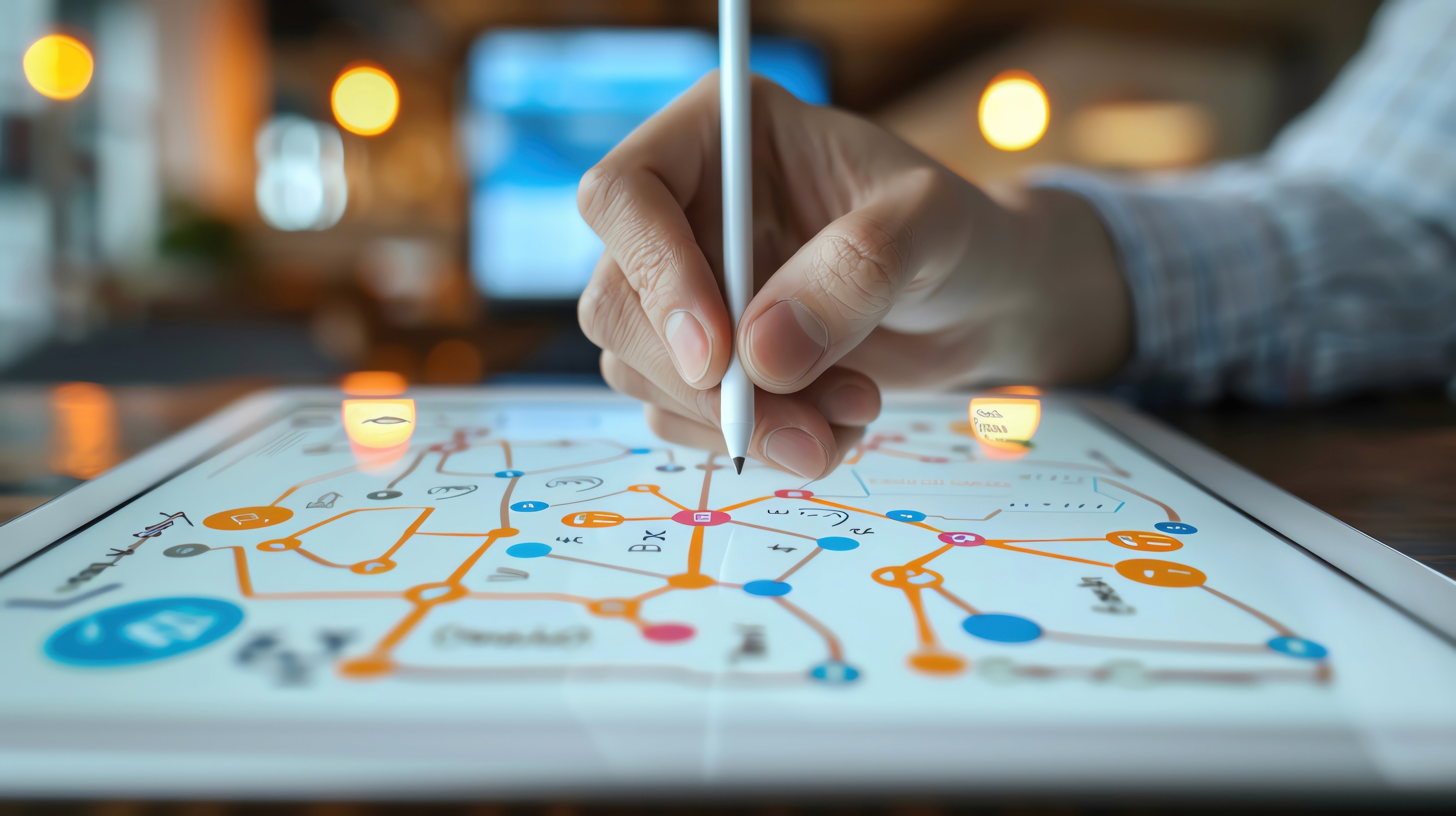
Mapping this journey clarifies your ultimate business goals. You see exactly where users get lost online. You identify where they feel most engaged. It is a visual representation of human behavior. In 2026, these maps are highly dynamic. They use real-time data for much better accuracy. Static spreadsheets are now considered historical relics.
Digital Touchpoints: Social media, search ads, or blogs.
Omnichannel: Mobile apps, websites, or direct email.
Emotional Mapping: How the user feels at each step.
User Actions: Clicking, searching, or making a purchase.
Why You Need a Map in 2026
Data drives the modern business world today. Recent studies show alarming statistics for slow brands. According to PwC reports, 80% prioritize experience over price. McKinsey data shows mapped journeys grow 20% faster. Retention rates jump by nearly 50% with mapping. These figures highlight a clear and urgent necessity.
Without a map, you are simply guessing online. Guessing leads to wasted marketing budgets and time. You might be targeting the wrong audience. You might use the wrong digital platforms. A comprehensive map solves these expensive problems. It aligns your entire team toward one goal. Everyone understands the user's ultimate pain points now.
Value comes from deep psychological user insights. We don't just track simple clicks anymore. We track digital intent and customer sentiment. Predictive AI helps us forecast future user moves. This allows brands to be highly proactive. You solve problems before they even happen.
Implementing Your Customer Journey Map Strategy 2026
Success in 2026 requires a solid customer journey map strategy. This strategy must be agile and data-driven. It must account for extreme hyper-personalization. Modern users expect content tailored to their needs. Use 2026 tools, such as Google Analytics 5.0. Automate the journey but keep it feeling human. Personalization increases conversion rates by over 30%.
Focus on the "Zero Moment of Truth." This is when the user first researches you. Ensure your brand appears credible and helpful then. Provide immediate value through high-quality content. Answer their questions before they even ask them. Build trust through transparency and clear digital communication.
Steps to Create Your 2026 Journey Map
Creating a map requires several detailed phases. Follow these professional steps for the best results.
1. Define Your Digital User Personas
Who is your ideal digital customer today? Don't just list their age or location. Think about their specific digital tech stack. Do they use AR or VR daily? Are they mobile-first or heavy desktop users? Detailed personas lead to much better mapping.
2. List All Possible Digital Touchpoints
Map out every possible interaction point now. This includes search engine result pages. It includes Instagram stories and TikTok ads. Don't forget automated chatbots and direct emails. Each touchpoint must be consistent and helpful.
3. Identify Pain and Friction Points
Where do users struggle the most online? Maybe your checkout page loads very slowly. Perhaps your navigation menu is too confusing. Use modern heatmaps to find these hurdles. Removing friction instantly increases your conversion rates.
4. Analyze the Post-Purchase Phase
The journey continues after the first sale. How do you onboard your new customers? Do you provide helpful tutorial videos? Loyal customers become your best brand advocates. Focus on retention to maximize your lifetime value.
How MANA Studio Elevates Your Digital Brand
Modern mapping requires professional and technical expertise. MANA Studio offers cutting-edge digital solutions for brands. We specialize in high-converting user experiences. Our team analyzes your specific market niche. We build frameworks that drive actual revenue. We don't just make things look pretty. We make things work for your business.
Our approach blends creativity with hard data. We look at the emotional side of design. We ensure your brand voice is very clear. Every pixel serves a specific strategic purpose. We help you stay ahead of competitors. The 2026 market will be very crowded. You need a partner who understands trends.
Explore our work to see real results. We have helped many brands scale up. Our portfolio shows diverse digital success stories. Check our latest work on the MANA Studio service page. We transform basic ideas into digital reality.
Start Your Digital Transformation Today
Ready to build your roadmap today? The future waits for no one. Secure your spot in the digital era. Our consultants are ready to help you. We offer personalized strategy sessions for brands. Visit our reservation page to book a call. Let's build something amazing together right now.
Key Takeaways for Your 2026 Strategy
Empathy is Vital: Always understand user feelings first.
Data is Fuel: Use real-time analytics every day.
Omnichannel Approach: Be present on all platforms.
AI Integration: Use tools to improve scalability.
Continuous Optimization: Never stop improving your map.
Frequently Asked Questions
What is the most important part of a map?
The user’s perspective is always most important. You must see through their digital eyes. Avoid internal company biases during the process.
How often should I update my journey map?
Update your map every single quarter. Digital trends shift very quickly in 2026. Regular updates keep your strategy very relevant.
Does every business need a digital map?
Yes, every modern business needs a map. If you sell online, you need it. Even B2B companies benefit from digital mapping.
Can AI help in creating these maps?
AI is essential for modern 2026 strategies. It processes large data sets very quickly. It identifies patterns humans might often miss.
What is the common mistake in mapping?
The biggest mistake is making it too complex. Keep your map simple and very actionable. Too much data can cause total paralysis.