Modern markets shift very quickly now. Brands must understand buyers much better. A map guides every brand interaction. Visualizing this path improves your results. We focus on building emotional connections. Success requires a digital customer journey map plan for 2026 today.
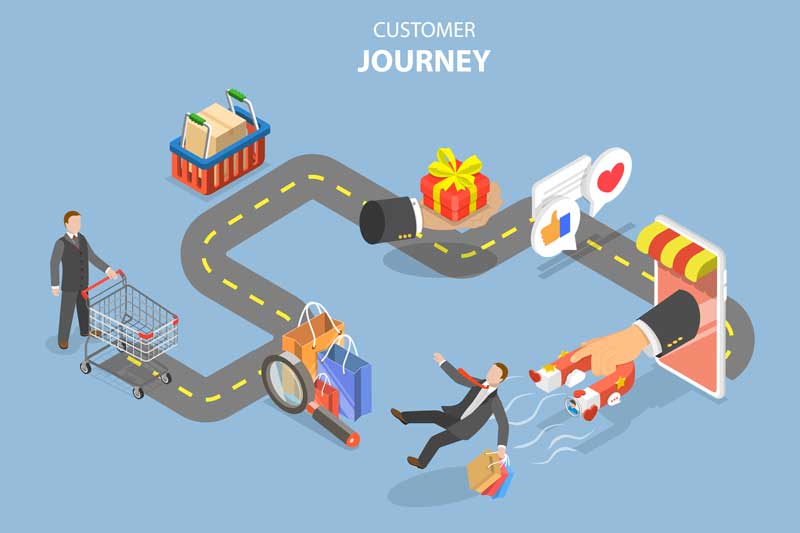
In the evolving landscape of digital marketing, understanding the "why" behind consumer behavior is no longer optional. A customer journey map serves as a comprehensive visual narrative of every engagement a person has with your brand. This journey tracks the path from the initial discovery phase through to a long-term, loyal relationship.
By implementing a strategic digital customer journey map plan for 2026, companies can effectively predict consumer needs before they even arise. This proactive approach allows businesses to stay ahead of market shifts and technological disruptions.
Defining the Customer Journey Map Scientifically
A customer journey map is a strategic framework for visualizing the user experience. According to the Interaction Design Foundation, it is a tool that helps designers and marketers understand users' context. It is not just a linear timeline of chronological events. Instead, it is a multi-dimensional representation of motivations, environments, and emotional states.
This map captures the friction points and the moments of pure delight. It identifies exactly where a business might be failing to meet expectations. By viewing the brand through the eyes of the consumer, teams can align their goals with actual human needs. In 2026, these maps will transition from static PDFs to dynamic, AI-powered dashboards that update in real time.
Verified Statistics: Why Mapping Is Essential
Data from leading research firms proves that journey mapping is a fundamental business necessity. When we look at the numbers, the impact on ROI and customer retention is undeniable. Here are the most recent verified statistics from reputable industry sources:
Salesforce Research: 80% of customers state that the experience a company provides is as important as its products.
McKinsey & Company: 71% of modern consumers expect companies to deliver highly personalized interactions across all channels.
Aberdeen Group: Businesses with a formal journey management program see a 24.9% year-over-year increase in marketing ROI.
Gartner: Organizations that use journey maps see an average of 18% reduction in their B2B sales cycle duration.
Forrester: Customer-centric companies are nearly 60% more profitable than those not focused on the customer experience.
Key Components of a High-Performance Map
To build a map that actually converts, you need specific scientific ingredients. You cannot rely on simple guesswork or intuition. You must use data-driven insights to accurately fill each category.
1. The Detailed Customer Persona
You need a clear profile of your target audience. This includes demographics, psychographics, and daily behavioral patterns. A persona without data is just a fictional character. Use CRM data to make this profile as real as possible.
2. Defined Behavioral Stages
Every journey has distinct phases: Awareness, Consideration, Decision, and Retention. Each stage requires a unique communication style. For instance, the "Awareness" stage needs educational content, while the "Decision" stage needs social proof and trust signals.
3. Multi-Channel Touchpoints
A touchpoint is any point of contact between the brand and the customer. This includes social media ads, organic search results, email newsletters, and customer support chats. Mapping these helps you maintain a consistent brand voice across the board.
4. Emotional States and Pain Points
What is the customer feeling at 3:00 PM when they encounter your ad? Are they stressed and looking for a quick solution? Identifying these emotional drivers allows you to position your product as the ultimate relief to their specific problem.
The Professional Mapping Process: A Step-by-Step Guide
Creating a map is a collaborative process involving sales, marketing, and support teams. Follow these steps to build your digital customer journey map plan for 2026 with precision.
Step 1: Define Your Internal Objectives. Before you look at the customer, look at your business. Are you trying to increase the average order value? Or are you focused on reducing churn in your subscription service?
Step 2: Gather Qualitative and Quantitative Data. Conduct customer interviews and distribute surveys. Analyze your website analytics to see where users are dropping off. This provides a "heat map" of your current performance.
Step 3: Plot the Current State. Map out how customers currently interact with you. Do not map how you *wish* they would interact. Be honest about the current friction points and broken links in your funnel.
Step 4: Design the Future State. Based on your findings, design an optimized journey. This is where you remove barriers and add value-driven touchpoints that lead to faster conversions.
Step 5: Implementation and Testing. Launch your new journey strategy. Use A/B testing to identify which changes deliver the highest engagement lift. Refine the map based on these live results.
The Customer Journey Map Strategy 2026
As we approach 2026, the strategy is shifting toward hyper-personalization powered by Artificial Intelligence. A static customer journey map strategy for 2026 will focus on predictive behavior. Instead of reacting to what a customer did, brands will predict what they will do next.
AI will allow for dynamic content delivery. If a user spends five minutes on a pricing page, the system can automatically trigger a live chat prompt. This level of responsiveness creates a seamless experience that feels natural rather than forced. Companies that master this predictive mapping will dominate their industries by 2026.
Real-World Examples of Effective Mapping
Seeing journey maps in action helps clarify their value. Let's look at two distinct industry examples.
Example A: The E-commerce Retailer. A shopper discovers a pair of shoes on Pinterest (Awareness). They visit the site and sign up for a "New Customer" discount (Consideration). They receive an automated email reminder about the items in their cart (Decision). After the purchase, they receive a style guide via a mobile app (Retention).
Example B: The SaaS Platform. A founder searches for "productivity tools" on Google. They find a high-value whitepaper on your site (Awareness). They join a weekly demo webinar (Consideration). A sales rep offers a personalized 14-day trial (Decision). A dedicated success manager helps them integrate the tool into their workflow (Retention).
How MANA Studio Offers Strategic Value
Designing a high-converting map requires a balance of technical data and creative insight. This is exactly where MANA Studio offers expert guidance for your brand. We do not just build maps; we build growth engines.
Our team specializes in identifying the "silent killers" in your marketing funnel. These are the small friction points that cause high bounce rates. We use advanced analytics to find these gaps. Then, we apply world-class design thinking to fix them. Our goal is to make every customer interaction feel like a premium experience.
By partnering with us, you gain access to a team that understands the 2026 digital landscape. We help you stay ahead of the curve by integrating AI and data science into your marketing. We transform complex data into actionable steps that drive your revenue upward.
Scale Your Brand with Data-Driven Clarity
The difference between a failing brand and a market leader often lies in the quality of their customer insights. You can no longer afford to operate on assumptions. A clear, scientific journey map provides the roadmap for sustainable scaling.
Are you curious about how a professional agency handles these complex projects? You can explore our portfolio and see our previous success stories. Visit the MANA Studio service page to see the results we deliver for our clients.
The window for planning your 2026 strategy is narrowing. The brands that win will be those that act today. Don't leave your customer experience to chance. Every click and every scroll should be a calculated step toward a conversion.
Ready to redefine your digital presence? Our specialists are ready to analyze your current funnel and provide a custom roadmap. Make a reservation on our contact page today to start your journey toward excellence.
Frequently Asked Questions
What is the primary benefit of journey mapping?
The main benefit is empathy. It allows a business to see its flaws through the eyes of the user. This leads to better products and higher customer satisfaction.
How often should we update our journey map?
In the fast-paced 2026 environment, maps should be reviewed quarterly. Major technological shifts or changes in consumer trends may require more frequent updates.
Does every business need a map?
Yes. Whether you are a B2B service or a B2C retailer, your customers follow a path. If you don't map it, you can't optimize it for profit.
What is the difference between a journey map and a marketing funnel?
A funnel is brand-centric and focused on the sale. A journey map is customer-centric and focused on the overall experience and emotional satisfaction.
How does MANA Studio help with this process?
We provide the technical expertise and creative strategy needed to turn data into a visual, actionable plan. We ensure your touchpoints are optimized for maximum ROI.
Can journey mapping help with customer retention?
Absolutely. By identifying why customers leave, you can implement specific "Retention" touchpoints to keep them engaged with your brand longer.
What role does AI play in 2026 mapping?
AI enables "Dynamic Mapping." This means the journey can change instantly in response to a user's real-time actions, providing a truly bespoke experience.